Relocating To Denver Tech Center: Housing, Commutes And Lifestyle
May 28, 2026
May 28, 2026
Thinking about a move to Denver Tech Center? You are not alone. For many buyers relocating to the area, the biggest questions come down to three things: what kind of home you can find, how easy the commute will be, and whether the day-to-day lifestyle fits the way you want to live. The good news is that the DTC area offers a mix of housing, transit access, and local amenities that can work for very different needs. Let’s dive in.
Much of the Denver Tech Center market is anchored by Greenwood Village in Arapahoe County, just south of Denver. Greenwood Village covers 8.3 square miles and describes itself as a blend of urban and residential areas with nationally recognized business parks. The city lists a resident population of 15,691, with a daytime population of about 38,500.
That gap between resident and daytime population helps explain the area’s appeal. Denver Tech Center is more than an office district. It functions as a place where many people work, live, commute, dine, and spend time after hours.
Greenwood Village also notes that the area includes part of the Denver Tech Center, Greenwood Plaza, the Village Center, and other business developments. It is reachable from across the metro by multiple travel modes, which matters if you want flexibility in how you get around.
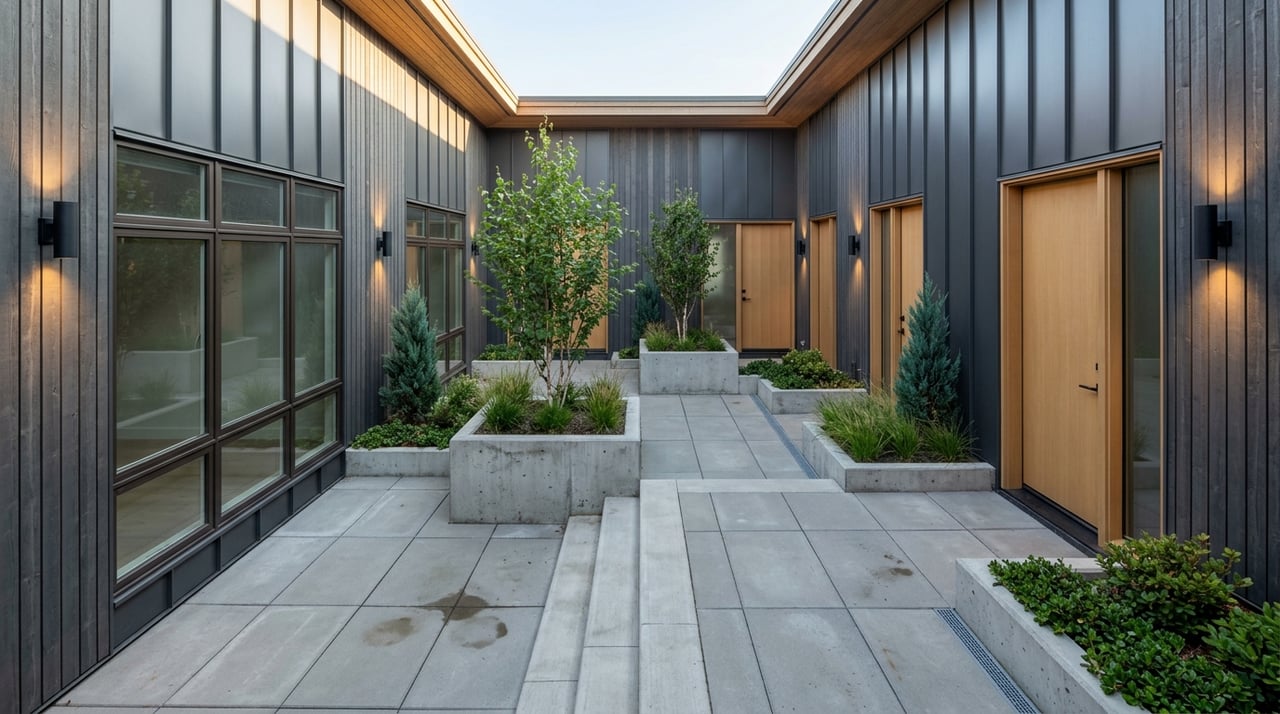
One of the most important things to know before relocating is that the DTC housing market is not one-size-fits-all. Greenwood Village’s comprehensive plan calls for maintaining a balance between single-family and multi-family residential uses while directing more housing to mixed-use centers. In practical terms, that means the area offers different living patterns depending on where you look.
If you focus on the heart of the Denver Tech Center, you are more likely to see apartments, condominiums, loft-style options, and other attached housing. Greenwood Village’s community resources page specifically points to many apartments and condominiums in the core DTC area, including communities such as Bridgewater Apartments, Isabella Apartment Homes, The Parc, Prentice Place Lofts, Promenade Place Apartments, Timber Creek Apartments, and Viridian.
If you move away from the denser mixed-use areas, you are more likely to find lower-density residential pockets with detached homes and a more suburban feel. That can be appealing if you want more separation from the business core while still keeping access to DTC employers, shopping, and regional transportation.
If your top priority is a simple commute, station-area and mixed-use living may be the strongest fit. These parts of the market tend to concentrate apartments, condos, and other attached housing close to key transit stops and major roads.
This setup can work especially well if you want to reduce drive time, keep errands close by, or have a more lock-and-leave lifestyle. For many relocating professionals, that convenience is one of the biggest advantages of living in or near central DTC.
If you prefer more traditional neighborhood patterns, lower-density sections around the broader DTC area may feel more comfortable. These areas are more likely to align with buyers looking for detached homes, quieter streets, and a residential setting that feels less tied to office buildings and mixed-use centers.
That does not mean you have to give up convenience. It simply means your daily routine may rely more on driving, especially during work hours or for regional commuting.
For many relocators, commute planning shapes the home search as much as the home itself. In DTC, transit access is one of the area’s defining strengths, especially around the RTD stations that serve Greenwood Village and nearby employment centers.
RTD station maps show three key stations serving the DTC and Greenwood Village area: Orchard Station, Arapahoe at Village Center Station, and Belleview Station. All three serve the E and R lines, giving riders a direct framework for commuting along the southeast corridor.
Orchard Station has 48 parking spaces. Belleview Station has 59 parking spaces. Arapahoe at Village Center Station stands out with 817 parking spaces and a pedestrian walkway over I-25, which can make it an especially practical option for some commuters.
RTD also reports that the former southeast FlexRide service areas were consolidated into DTC FlexRide in February 2026. The service area now operates on both sides of I-25 between Belleview and Sky Ridge stations and is intended to support first- and last-mile connections for the southeast corridor.
That matters if you want transit access but do not plan to live directly next to a rail station. In some cases, that added layer of connection can make a broader set of homes feel more practical for daily commuting.
If you expect to drive most days, I-25 and the south-metro corridor will likely shape your routine. Buyers who want the shortest and simplest transit setup often focus on the station areas around Orchard, Arapahoe at Village Center, and Belleview. Buyers who prefer more space may accept a more car-dependent pattern in exchange for the housing style they want.
For travel beyond the work commute, Greenwood Village says Denver International Airport is about 35 minutes northeast of the city, while Centennial Airport is about 10 minutes east. If you travel regularly for work or personal reasons, that regional access can be a meaningful advantage.
A common misconception about Denver Tech Center is that it is only about offices and commuting. In reality, Greenwood Village supports a lifestyle that blends business activity with parks, trails, arts, and everyday conveniences.
The city maintains more than 440 acres of parks, trails, and open space. It also highlights about 40 miles of trails, including 5.47 miles of the High Line Canal Trail within the city, plus connections to the Cherry Creek Trail. According to the city, the trail system supports biking, walking, running, and horseback riding.
That kind of outdoor access can make a big difference when you are choosing where to live. If you want an area where you can balance work with a quick walk, bike ride, or weekend outing, the trail network adds real everyday value.
Greenwood Village highlights Westlands Park and Silo Park as major amenities. Westlands Park spans 28 acres and includes multiple play areas, fields, a pond, a hike and bike trail, and a water feature. Silo Park includes a large shelter, restrooms, gardens, a small amphitheater, a playground, and a trail through a natural area.
These spaces help show that the area is designed for more than office hours. Whether you are looking for a place to unwind after work or planning around outdoor access, the park system adds flexibility to daily life.
The Curtis Center for the Arts adds another dimension to the area. Located on Orchard Road, it offers classes, rotating exhibits, lectures, and special events in a historic building.
Greenwood Village also points to numerous retail and restaurant establishments in the DTC and business park area. That supports the idea that Denver Tech Center works not just as a job center, but as a daily-living district where errands, meals, and entertainment can fit into your normal routine.
If you are relocating with children, commute time may only be one part of the decision. Greenwood Village notes that the city is split between Cherry Creek School District east of Holly Street and Littleton Public Schools west of Holly Street. That boundary can affect your home search depending on which side of Holly Street a property sits.
The city also points to Aspen Academy on the west side and to the Arapahoe County Library District, with adjacent library branches in Centennial. For many buyers, these details matter because they shape daily logistics just as much as square footage or commute time.
Outdoor access may also be a major factor. The city’s trail and park network can support a lifestyle centered on recreation, walking, and time outside, which is useful to keep in mind as you compare different parts of the market.
In practice, most relocators narrow Denver Tech Center down to two broad choices. The first is station-area or mixed-use living for a shorter commute and stronger transit access. The second is lower-density residential living for a more traditional suburban housing pattern.
Neither option is universally better. The right fit depends on how you rank commute time, housing style, travel habits, and everyday lifestyle.
A simple way to evaluate your move is to ask yourself:
If you can answer those questions early, your search usually becomes much more focused. Instead of looking at all of DTC as one market, you can target the part of the area that matches the life you actually want to live.
If you are planning a move to Denver Tech Center, working with someone who understands the differences between station-area living, residential pockets, and the broader Greenwood Village market can save you time and help you make a more confident decision. Debbie Niedergerke offers direct, high-touch guidance for relocating buyers who want clear local insight and a smart strategy for their next move.
Stay up to date on the latest real estate trends.
Get assistance in determining current property value, crafting a competitive offer, writing and negotiating a contract, and much more. Contact Debbie today to discuss all your real estate needs.