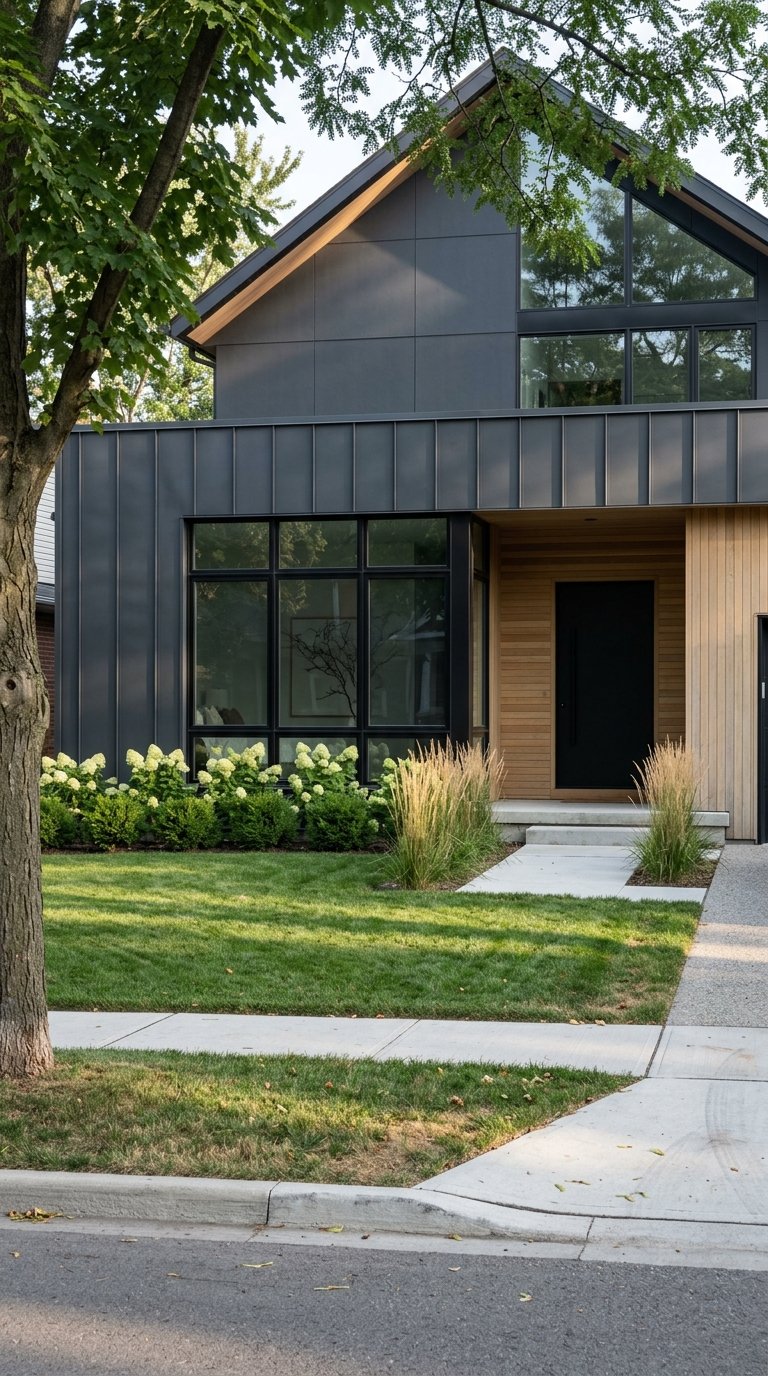
Cherry Creek vs Hilltop Homes: Find Your Best Fit
June 11, 2026
June 11, 2026
If you are deciding between Cherry Creek and Hilltop, you are really choosing between two very different ways to live in central Denver. One puts shops, dining, and daily errands closer to your front door, while the other leans more residential, with larger lots and a quieter street pattern. If you want a clear way to sort through the tradeoffs, this guide will help you compare housing, walkability, amenities, and day-to-day lifestyle. Let’s dive in.
In everyday conversation, Cherry Creek usually means the broader area around Cherry Creek North and the shopping center. That wider view matters because it reflects how most buyers experience the neighborhood: as a mixed-use district with homes, retail, dining, and services all working together.
Hilltop feels different from the start. It is generally understood as a classic residential neighborhood bounded by Colorado Boulevard, Alameda, Holly, and 8th Avenue, with a more consistent single-family pattern and a calmer overall pace.
The simplest way to think about the choice is this: Cherry Creek is more urban and amenity-rich, while Hilltop is more house-focused and residential. Neither is better across the board. The right fit depends on how you want your day-to-day life to work.
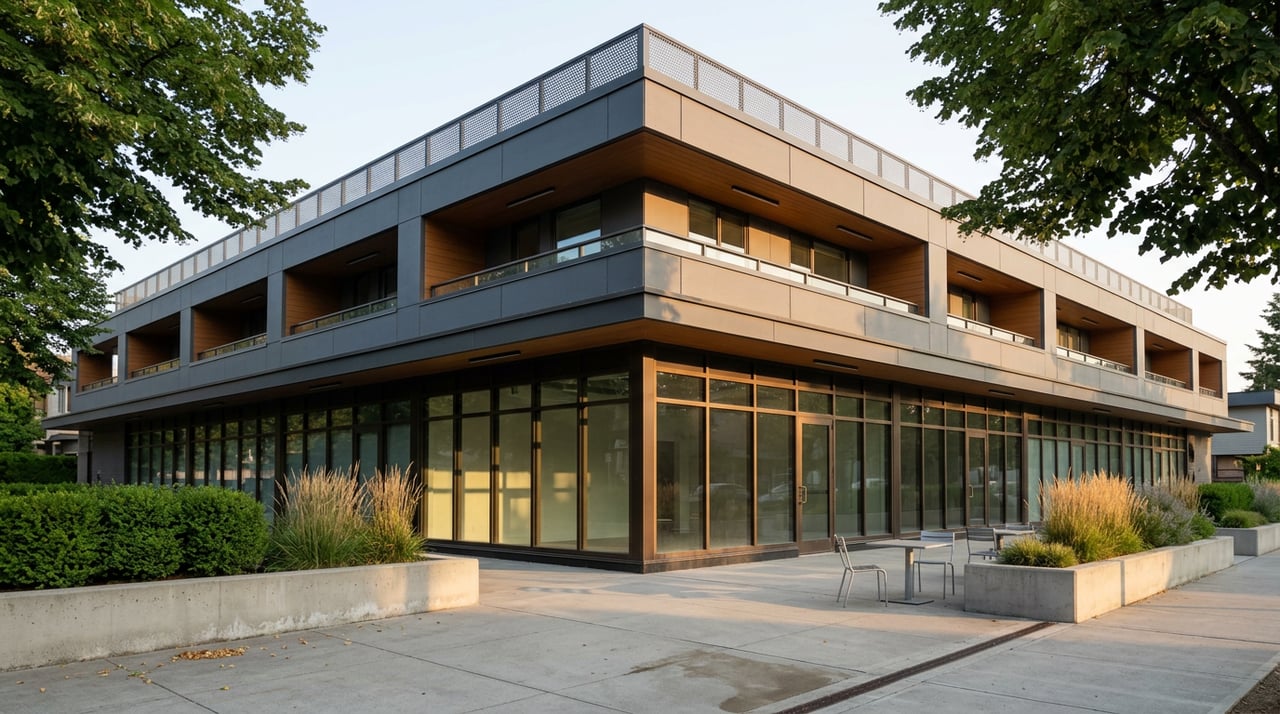
Cherry Creek is not only a condo market, but it does offer a wider mix of housing types. In Cherry Creek North’s residential areas, zoning is mostly G-RH-3, which allows single-family homes, duplexes, and row homes up to three stories, while the core includes mixed uses and taller buildings.
That mix gives Cherry Creek a more layered feel. You may find detached homes on tree-lined streets, but you are also much more likely to see attached housing and homes close to retail and commercial activity. For buyers who want options, that flexibility can be a major plus.
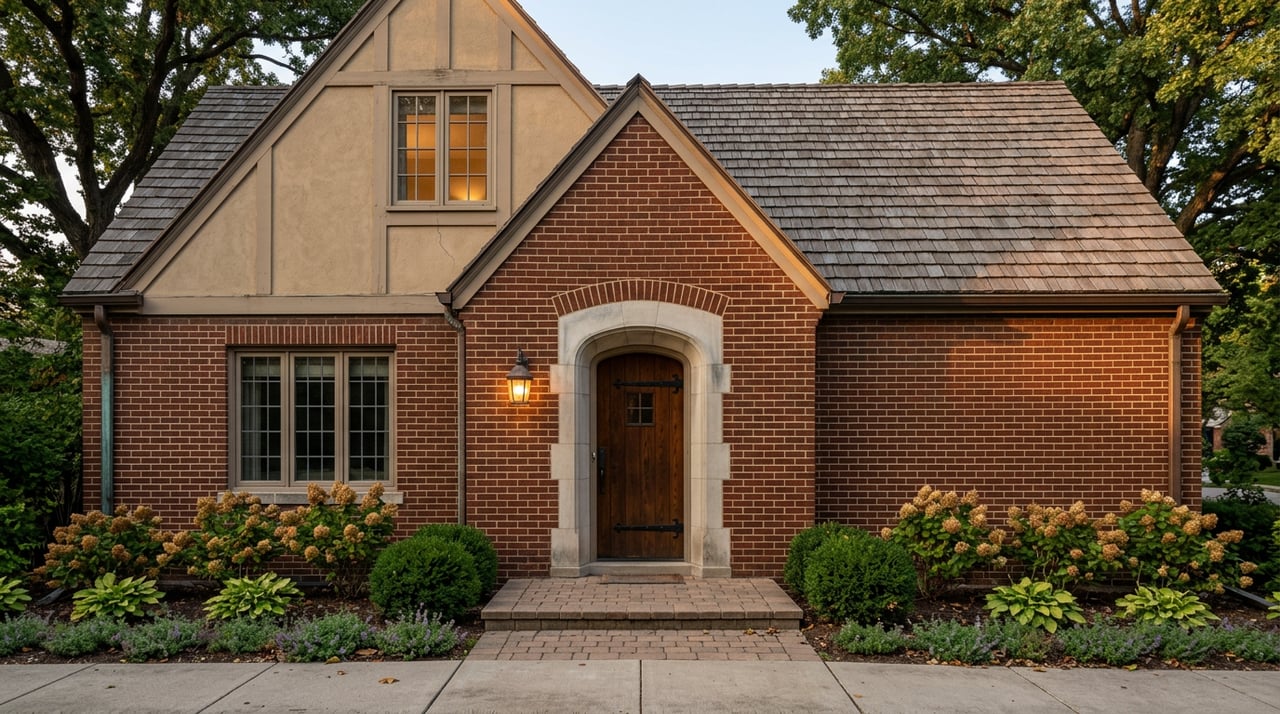
Hilltop has a more consistent residential fabric. The neighborhood is generally zoned E-SU-G, with a 9,000-square-foot minimum lot size, and that supports a more detached-home pattern with more separation between properties.
In practical terms, Hilltop tends to appeal to buyers who want more land, more yard space, and a more traditional single-family setting. If your priority is a home-centered lifestyle rather than a district-centered lifestyle, Hilltop often lines up better.
Cherry Creek has the stronger walkability profile by a wide margin. Walk Score gives Cherry Creek a score of 81 out of 100 and ranks it as the 13th most walkable neighborhood in Denver. It also notes that residents can walk to an average of seven restaurants, bars, and coffee shops in five minutes.
That matters because walkability changes how your week feels. In Cherry Creek, it is easier to picture coffee runs, dinner plans, quick errands, and service appointments happening on foot instead of by car.
Cherry Creek also benefits from the Cherry Creek Trail. Denver’s Go Speer Leetsdale study identifies it as one of the city’s most used bicycle and pedestrian facilities and describes it as a 40-mile trail connecting Downtown Denver and Cherry Creek Reservoir. That adds another layer of mobility for both recreation and commuting.
Hilltop is still well located within Denver, but daily life is usually more car-dependent. Walk Score gives Hilltop a 54 out of 100 and ranks it as the 46th most walkable neighborhood in the city.
You will still have access to dining and neighborhood destinations, but not at the same scale as Cherry Creek. Walk Score lists about 39 restaurants, bars, and coffee shops overall in Hilltop, compared with much broader options in Cherry Creek.
For many buyers, this is where the decision becomes clearer. If you want your neighborhood to support frequent walking for errands and outings, Cherry Creek stands out. If you are comfortable driving more often in exchange for a more residential setting, Hilltop may feel like a better match.
Cherry Creek has the more developed amenity ecosystem. According to Visit Denver, the area offers more than 300 stores, 75 cafés and restaurants, 50 spas and salons, and five hotels.
The broader district is also a major business and visitor hub. The Cherry Creek Alliance’s 2024/2025 report says the area includes 1,673 businesses, 16,551 employees, and 13.7 million annual visitors. That helps explain why Cherry Creek often feels polished, busy, and active throughout the week.
The district also benefits from organized streetscape and mobility support. The Cherry Creek North Business Improvement District manages elements such as parking, mobility, events, and district promotion, which contributes to a more serviced environment.
Cherry Creek is also still changing. The Cherry Creek Alliance reports that six major site projects are underway and eight more are in the pipeline. If you like the idea of continued investment and evolving amenities, that can be exciting. If you prefer a more static environment, it is something to weigh carefully.
Hilltop’s everyday rhythm is more neighborhood-scaled. The Hilltop Neighborhood Association highlights assets such as Cranmer Park, Robinson Park, Burns Park, and the 6th Avenue Parkway.
That park presence shapes the lifestyle in a different way. Instead of being defined by a retail core, Hilltop is more defined by open space, residential blocks, and community programming such as family movie nights and a Halloween parade.
For some buyers, that quieter pace is the whole point. Hilltop offers central Denver access without the same level of commercial energy, visitor traffic, and ongoing change that comes with Cherry Creek.
This is a smaller point, but it can affect your everyday experience. In Hilltop, the neighborhood association notes that the city does not plow most side streets unless snowfall is significant, and the sidewalk program uses a flat annual fee for most residents.
That means winter upkeep can feel more homeowner-managed. If you are comparing convenience and maintenance expectations, this is one more reason Hilltop can feel more hands-on than Cherry Creek’s more district-supported setting.
When buyers are torn between Cherry Creek and Hilltop, a few practical questions usually bring the answer into focus.
If you want to walk to coffee, dinner, workouts, or basic services most days, Cherry Creek has the edge. If you are fine driving for many of those routines, Hilltop may not feel like a compromise.
If you are hoping for a detached home with more land, Hilltop is usually the stronger fit. If you want flexibility across single-family, duplex, row-home, or mixed-use style living, Cherry Creek offers more variety.
Cherry Creek comes with more visitors, more business activity, and more development. Hilltop generally offers a calmer pattern with less of that day-to-day intensity.
Some buyers want parks, residential streets, and a quieter pace. Others want dining, shopping, and energy right outside the neighborhood door. Your answer to that lifestyle question often matters more than any one home feature.
Both neighborhoods offer strong appeal, but they serve different priorities. Choose Cherry Creek if you want a more urban, walkable, amenity-rich version of central Denver. Choose Hilltop if you want a more residential, lot-oriented neighborhood with a quieter daily rhythm.
The right move usually comes down to whether you are optimizing for convenience and activity or for space and a more traditional neighborhood feel. If you want help comparing homes, blocks, and lifestyle tradeoffs in these two Denver neighborhoods, Debbie Niedergerke can help you make a confident move.
Stay up to date on the latest real estate trends.
Get assistance in determining current property value, crafting a competitive offer, writing and negotiating a contract, and much more. Contact Debbie today to discuss all your real estate needs.