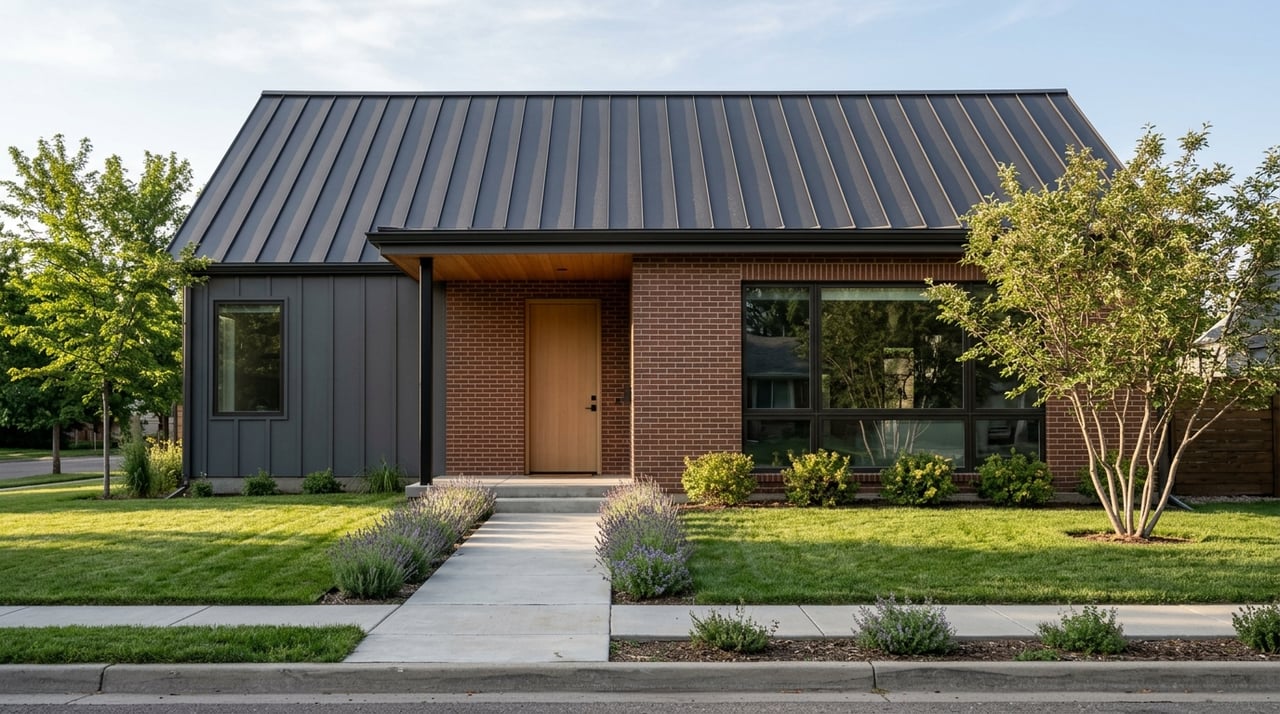
Englewood Colorado Neighborhood Guide for South Denver Buyers
April 16, 2026
April 16, 2026
If you want to stay close to Denver’s most established south-metro addresses without paying luxury-hub pricing, Englewood deserves a serious look. For many buyers, the challenge is finding a place that balances access, housing choice, and everyday convenience while still feeling grounded and livable. Englewood stands out because it offers that middle ground, with a more attainable price point than nearby luxury markets and strong connections across the metro. Let’s dive in.
Englewood sits just south of Denver and describes itself as centrally located in the metro area with a small-town feel and access to the broader region. The city is surrounded by Denver, Littleton, Cherry Hills Village, Sheridan, and Greenwood Village, which helps explain why so many buyers see it as a strategic location rather than a far-flung suburb. According to the city, Englewood has 15,478 residential housing units, and Census QuickFacts estimates a population of 35,238.
That location matters if you are comparing options across South Denver. Englewood places you near major employment, healthcare, transit, and shopping areas while keeping you connected to both city and suburban routines. It is not just about proximity. It is about having more than one practical way to move through your day.
The clearest reason Englewood gets attention is value relative to its neighbors. Redfin market data shows Englewood’s median sale price at $585,000, compared with $2.2 million in Cherry Hills Village and $1.9 million in Greenwood Village. That is a significant gap for buyers who want to stay in the same general south-metro orbit.
That said, it is important to frame the value story correctly. Englewood is more attainable, but it is not a bargain market in absolute terms. The city’s own housing policy discussions note that Englewood has historically been relatively affordable but is now facing pressure from rising prices, construction costs, mortgage rates, and land constraints through its Affordable Housing Task Force efforts.
Englewood’s market looks more established than entry-level. Redfin reports a median price per square foot of $313, about two offers per home, and a median of 63 days on market, with prices down 5.6% year over year. Census data also places the median owner-occupied housing value at $534,000, the owner-occupied housing rate at 47.7%, and median gross rent at $1,563.
For buyers, that often translates into more flexibility than you may find in adjacent luxury areas. Instead of stretching to enter a prestige market with a narrower set of options, you may be able to consider different property types, renovation potential, or transit-oriented locations within Englewood. That can make a real difference if your priorities include commute options, monthly payment comfort, or future adaptability.
One of Englewood’s strengths is that it is not a one-product housing market. Recent city housing data show a mix of 58.7% single-family residences, 34.8% multifamily, 5.3% attached 2-to-4-unit housing, and 1.2% mobile homes. That variety gives you more paths into the market depending on your goals and stage of life.
The city also notes that multifamily housing is concentrated in downtown zones, the Planned Urban Development zone in South Englewood, and RM/ATH zones across the city. In practical terms, that means your home search can look very different depending on whether you want a detached house, lower-maintenance living, or something closer to transit and commercial areas.
Another notable feature is accessory dwelling unit potential. Englewood’s ADU guidance says detached and attached ADUs can be up to 800 square feet and do not require new parking in many residential districts. For some buyers, that opens the door to thinking more creatively about guest space, work-from-home setups, or long-term flexibility.
Zoning details always require property-specific review, but the broader takeaway is useful. Englewood offers more housing diversity and flexibility than buyers often expect at first glance. That can make it appealing if you want options beyond the standard single-family-only pattern.
If access is high on your list, Englewood has a strong case. The city describes itself as a transportation hub with two light rail stops, roadway access via US 285 and US 85, bus service including the 0 route, and the free Englewood Trolley connecting 19 stops across CityCenter, downtown businesses, and medical facilities near Craig Hospital and Swedish Medical Center.
RTD’s Englewood Station is on the D Line, offers 910 free parking spaces, and serves bus routes 0, 0B, 12, 35, and 51. Oxford-City of Sheridan Station is also on the D Line and serves route 51. For many buyers, that means you are not relying on a single freeway route to get around the metro.
Census QuickFacts lists a mean travel time to work of 23.1 minutes. While every commute depends on your destination and schedule, that number supports Englewood’s reputation as a practical location for people who want to stay connected to Denver and the south-metro area.
A home search is never just about price and square footage. You are also thinking about the rhythm of everyday life, including where you spend weekends, how easily you can run errands, and whether the area feels convenient over time. Englewood’s city resources highlight major medical and manufacturing facilities along with foodie, arts, and startup communities centered in historic downtown and the Central Business District.
That mix can appeal to buyers who want a place with activity and practical services rather than a purely residential environment. It also helps explain why Englewood attracts people who value access to amenities without stepping fully into higher-priced neighboring markets.
Local recreation is another plus. Belleview Park includes playgrounds, trails, athletic fields, the Englewood Farm & Train, and Pirates Cove waterpark. The city says the Farm & Train has operated for more than 50 years and averages about 60,000 riders annually.
These kinds of amenities help round out the day-to-day picture. They add local texture and make it easier to imagine how you would actually use the area, not just where you would sleep at night.
If you are thinking long term, redevelopment is part of the Englewood story. The city says Englewood CityCenter was Colorado’s first transit-oriented development, and current redevelopment concepts include new housing, restaurants, shops, civic facilities, office space, a possible hotel, and public plazas.
That does not guarantee any one outcome for home values or lifestyle, but it does signal ongoing public attention and investment in a key part of the city. For buyers, that can be a reason to look closely at location within Englewood, especially if proximity to mixed-use development and transit is important to you.
Englewood can be a strong fit if you want to stay near Denver’s south-side luxury hubs but need a more practical entry point. It may also make sense if you value transit, want more housing-type variety, or prefer a location with both neighborhood feel and regional access.
You may want to look more closely at Englewood if you are:
The best way to think about Englewood is as a value alternative near Denver’s luxury hubs, not a cheap substitute. It offers meaningful price separation from Cherry Hills Village and Greenwood Village while still providing strong location fundamentals, a broad housing mix, and good everyday connectivity.
That balance is exactly why Englewood keeps showing up on smart buyers’ short lists. If you want to weigh Englewood against nearby south-metro options and understand which pockets, property types, and price points fit your goals, Debbie Niedergerke can help you navigate the market with clear, senior-level guidance.
Stay up to date on the latest real estate trends.
Get assistance in determining current property value, crafting a competitive offer, writing and negotiating a contract, and much more. Contact Debbie today to discuss all your real estate needs.