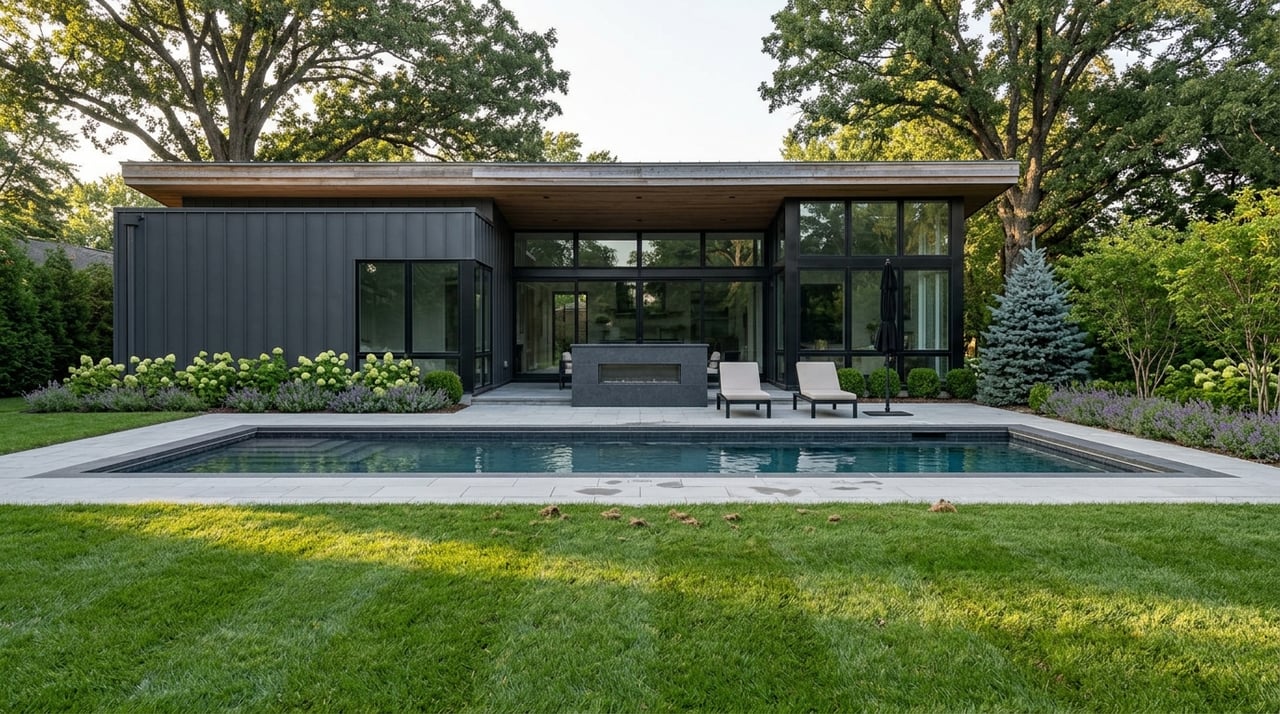
Cherry Hills Village Lifestyle: Outdoor and Club Living
June 25, 2026
June 25, 2026
If you are drawn to Cherry Hills Village, chances are you are not looking for a packed entertainment district. You are looking for space, scenery, and a lifestyle that feels tucked away while still connected to metro Denver. That is exactly where Cherry Hills Village stands out, with its mix of trails, parks, private clubs, and quiet outdoor routines. If you want to understand what daily life really feels like here, this guide will walk you through the public outdoor spaces, club culture, and seasonal patterns that shape the area. Let’s dive in.
Cherry Hills Village is known for a rare mix of rural character and metro convenience. City materials describe mountain views, parks and open space, the High Line Canal, and a broad trail network that supports walking, biking, wildlife viewing, and horseback riding.
The community’s outdoor identity leans more toward active, low-key recreation than commercial entertainment. In practical terms, that means many residents spend time on trails, at parks, on golf courses, at tennis and pool facilities, or enjoying small outdoor gatherings.
The city uses slightly different trail counts in its materials. One source says the Parks Division maintains over 25 miles of trails, while another describes the Village as having more than 34 miles of trails. Either way, the takeaway is the same: outdoor access is a major part of everyday life in Cherry Hills Village.
Not every part of Cherry Hills Village leisure life is behind private gates. The public side is meaningful, scenic, and well integrated into the community.
The High Line Canal is the area’s signature outdoor amenity. Cherry Hills Village describes it as part of a 71-mile continuous urban trail that sees more than 500,000 annual users, with several miles running through the city.
The city has also invested in making this corridor easier to use. A safer pedestrian and cyclist connection was created through the Hampden and Colorado underpass project, and the city planned resurfacing for its full 3.75-mile stretch in 2025.
If you are picturing daily use, the canal is more than a scenic backdrop. It supports walking, biking, and access to other open spaces, making it a practical part of the local lifestyle.
These are among the Village’s most active public green spaces. Their redevelopment added features that make them useful for a wide range of outings, from quick afternoon stops to larger community events.
Highlights include:
This combination gives the space a flexible, all-ages feel. It can work for a peaceful walk, a play break, or a community gathering.
Quincy Farm adds a very different kind of outdoor experience. It is a 17.5-acre historic property in the heart of the Village, listed on the National Register of Historic Places and protected by a conservation easement.
The property is open from sunrise to sunset and can be reached from the High Line Canal or Quincy Avenue. The setting feels quieter and more preserved than a typical park, and city rules note that bikes are not allowed on the farm and dogs are not permitted.
Blackmer Common is a 14.5-acre passive preservation park with mostly native vegetation. It is geared more toward wildlife viewing and open-space appreciation than active recreation.
Dahlia Hollow Park represents the smaller-scale park experience in Cherry Hills Village. The city describes it as a popular destination for local families, which helps show that the public outdoor options are not limited to large landmark spaces.
Other reservable public spaces include Woodie Hollow Park and Three Pond Park. For many buyers, that public inventory matters because it adds day-to-day usability beyond the private club scene.
Private clubs are a defining part of Cherry Hills Village. According to the city’s 2022 master plan, about 300 acres of privately owned open space are controlled by clubs and homeowners associations, making club land a real part of the community landscape.
For some buyers, this is a major draw. For others, it is simply part of the backdrop that shapes the Village’s look and recreational rhythm.
Cherry Hills Country Club is the heritage anchor of the local club scene. The club says it was founded in 1922 on 272 acres and designed by William Flynn.
It has also built a strong national golf profile, having hosted 14 national championships, including the 2023 U.S. Amateur. That history gives the club an outsized presence in how many people think about Cherry Hills Village.
Glenmoor Country Club broadens the club picture with a more family-social lineup of amenities. The club describes an 18-hole Pete Dye-designed course renovated in 2023, along with dining, bars, patio space, tennis, fitness, pools, and children’s activity areas.
Its golf course is open year-round, weather permitting. The pool season typically runs from Memorial Day to Labor Day, with weekends in September.
The Village Club brings a distinct equestrian dimension to Cherry Hills Village. The club says it sits on 10 acres and is the only club of its kind in the Denver metro area with equestrian facilities.
Its offerings include horse boarding, tennis and paddle sports, an outdoor pool, and social events. That matters because horseback riding is not just a niche pastime here. It is part of the broader local identity, reinforced by trail access that also welcomes riders.
Arapahoe Tennis Club rounds out the private recreation mix. It is described as a member-run club with tennis, paddle, and pool amenities.
Taken together, these clubs show that Cherry Hills Village leisure life is layered. You have public trails and parks, but you also have a substantial private recreation network that helps shape the area’s character.
One of the more distinctive features of Cherry Hills Village is that horses still have a visible place in daily life. The city trail map specifically frames local trail use around strolling, wildlife viewing, biking, and horseback riding.
That is a meaningful detail because it speaks to the area’s rural feel. In many suburban markets, outdoor life means sidewalks and parks. In Cherry Hills Village, equestrian use remains part of the identity, both through the trail system and through amenities like those at The Village Club.
Cherry Hills Village is not a place where outdoor life disappears after August. The rhythm changes by season, but it stays active throughout the year.
Spring brings visible park and trail activity. The city’s Parks & Trails Scavenger Hunt centers on John Meade Park and nearby bridle trails, with lawn games, snacks, prizes, and a trail option that spans about 3 miles.
Summer is the most outwardly active season. The city’s Outdoor Movie Night at John Meade Park includes bounce castles, face painting, popcorn, ice cream, and drinks, while club pools and courts become regular gathering places.
Fall tends to feel more like a continuation of the Village’s usual routine than a separate entertainment season. Golf, tennis, trail use, and riding continue as weather allows.
Winter is quieter, but not inactive. The city’s Winter Celebration includes an outdoor tree lighting, hayrides, Santa, hot cocoa, cookies, and outdoor games, and Holiday Tree Recycling runs from late December through January 31 at the horse-arena parking lot on Meade Lane.
The city also maintains a formal snow-removal program, which reinforces the idea that residents continue using outdoor spaces between storms rather than shutting down for the season.
If you are considering Cherry Hills Village, it helps to understand the balance between public and private recreation. Public amenities include the High Line Canal, John Meade Park, Quincy Farm, Blackmer Common, Dahlia Hollow Park, Three Pond Park, and Woodie Hollow Park.
Private access, on the other hand, is shaped heavily by clubs and HOA-controlled open space. That mix is important for buyers because it influences how the community functions day to day and what kinds of recreation may be available depending on your preferences.
There is also a public-facing benefit worth noting. The city offers a Recreation Reimbursement Program that reimburses qualifying public recreation programs, classes, and activities up to $500 per primary household per year. That suggests the Village’s recreation culture extends beyond club membership alone.
Lifestyle often drives real estate decisions just as much as square footage or finishes. In Cherry Hills Village, outdoor and club life help define what you are really buying into.
For some people, the draw is daily trail access and quieter public open space. For others, it is proximity to established golf, tennis, pool, or equestrian amenities. In either case, the setting supports a pattern of living that feels active, scenic, and more private than many other parts of the metro area.
When you are comparing neighborhoods, this is the kind of context that helps the decision become clearer. Cherry Hills Village offers a specific lifestyle, and understanding that lifestyle can make it easier to know whether the fit is right for you.
If you are exploring Cherry Hills Village or preparing for a move in this part of the Denver area, working with a local advisor can help you weigh not just the home itself, but also how the setting aligns with the way you want to live. Debbie Niedergerke offers direct, knowledgeable guidance rooted in neighborhood insight and a highly personalized approach.
Stay up to date on the latest real estate trends.
Get assistance in determining current property value, crafting a competitive offer, writing and negotiating a contract, and much more. Contact Debbie today to discuss all your real estate needs.