Why Congress Park Sellers Should Get Inspected Before They List, Not After
August 20, 2026
August 20, 2026
Most sellers in Congress Park assume a hundred-year-old house buys them some slack on disclosure. The place is old, the systems have been patched by half a dozen owners since the Coolidge administration, and nobody expects a 1920s Denver Square to disclose the way a five-year-old townhome in Central Park would. That assumption held up reasonably well under Colorado's old buyer-beware framework.
It holds up less well under the Seller's Property Disclosure form the Colorado Real Estate Commission made mandatory for contracts signed on or after January 1, 2026. The form still asks only for what a seller actually knows, not what a reasonable person should have guessed. But it also creates a duty that keeps running after the seller signs it, and that ongoing duty is where the real friction sits for anyone selling a pre-1935 home inside the 7th Avenue Historic District.
The new form, known as SPD19, states plainly that the seller's answers reflect their current actual knowledge as of the date they sign. That part is straightforward and it is the part most sellers focus on. What gets missed is that, as Frascona explains, Section 10.2 of the standard Colorado contract requires a seller to disclose any newly discovered adverse material fact even after the disclosure deadline has passed, and even after the buyer's own inspection window has closed. If something surfaces later, the buyer can terminate the contract within five days of receiving that new information.
In a newer subdivision, that clause rarely gets tested. In Congress Park, it gets tested constantly, because the odds that something turns up between contract signing and closing are simply higher in a house built before 1935 than in a house built after 2005. A seller who assumes the disclosure conversation ends the day they sign the form is not accounting for what happens if the buyer's inspector finds something the seller never knew to check.
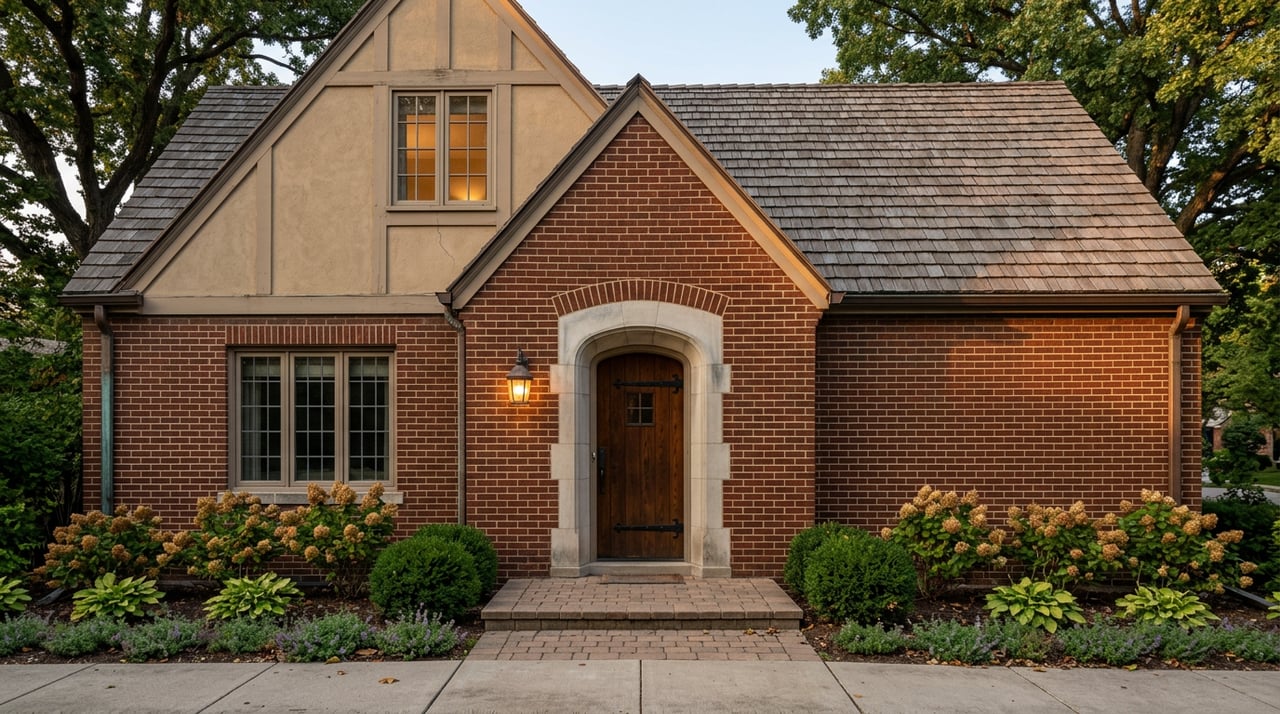
Congress Park's housing stock is concentrated in the 7th Avenue Historic District, Denver's largest historic district, running from Logan Street to Colorado Boulevard along a corridor of Denver Squares, Craftsman bungalows, and Tudor Revival homes dating mostly from the 1890s through the mid-1930s. That timeline is the whole reason the disclosure math looks different here than it does in a subdivision built during any other decade.
Homes from that era were built with clay or cast-iron sewer laterals, and those materials do not age the way the neighborhood's mature street trees do. The same tree canopy that gives Congress Park its front-porch, tree-lined character is also the thing most likely to compromise its plumbing. Roots seek out moisture, and a century-old clay joint gives them plenty of opportunity to get in. Once inside, they expand and eventually crack or block the line entirely.
A sewer scope inspection is the only way to see this before it becomes a leak, a backup, or a five-figure repair bill. According to Blue Spruce Inspections, it is not a required part of a standard Colorado home inspection. A buyer has to ask for it specifically, and plenty don't, because the add-on is easy to skip when everything above ground looks freshly renovated.
Here is what that gap actually costs, based on 2026 Front Range inspection pricing:
| Cost item | Typical range (2026) |
|---|---|
| Sewer scope inspection add-on | $150–$300 |
| All-in inspection budget for a pre-WWII home (standard inspection, radon, sewer scope) | $900–$1,200 |
| Sewer line replacement if damage is found | $5,000–$25,000+ |
The scope itself is one of the cheapest line items in the entire transaction. What it protects against is one of the most expensive. That asymmetry is the whole argument for ordering one before a Congress Park listing goes live rather than waiting to see if a buyer thinks to request it.
Sewer lines are not the only original-era systems that surface during due diligence on a home this age. Inspectors working in Denver's pre-1950s neighborhoods routinely flag outdated galvanized or lead supply pipes, and electrical panels from manufacturers like Federal Pacific or Zinsco, both known for reliability problems that most current code inspectors treat as fire-risk items requiring replacement.
None of these are secrets. They are common, predictable, and directly tied to the decade a house was built. The point is not that Congress Park homes are riskier to buy or sell than newer construction. The point is that a seller who has owned the house for even a few years may genuinely not know the panel is a Zinsco, may not know the supply line under the kitchen is galvanized, and may not know the sewer lateral has a belly forming forty feet from the house. None of that is concealment. It is exactly the kind of gap the new disclosure duty is built to catch once a buyer's inspector finds it mid-contract.
The strategy that actually works here is sequencing. Order the sewer scope, and if warranted a broader systems check on the panel and supply lines, before the SPD19 form gets filled out rather than after a buyer's inspector finds something during their contingency period. Whatever turns up becomes part of the seller's current actual knowledge from day one, disclosed cleanly on the form itself, priced into the listing, or addressed before a single showing happens.
This is also where a pre-listing improvement program like Compass Concierge earns its keep beyond staging and paint. If a sewer scope turns up root intrusion, or an inspector flags a legacy panel, those are exactly the kind of fixable, quantifiable items that make sense to resolve before marketing rather than negotiate after a buyer's inspector finds them and the clock on Section 10.2 starts running against you instead of for you.
Does Colorado require a sewer scope before I sell? No. It is a recommended add-on to a standard home inspection, not a legal requirement, which is exactly why it gets skipped more often than it should in a neighborhood where it matters most.
If a previous owner already replaced my sewer line, do I still need to disclose the original clay pipe history? The SPD19 form asks for current actual knowledge as of signing. If you know the line was already replaced with PVC, that is worth disclosing as a positive, since PVC has a longer expected service life than the clay and cast iron common in homes from this era, and it is the kind of fact a buyer would want confirmed rather than assumed.
Does any of this apply if I'm buying rather than selling? It applies more directly. A buyer's inspection period is the moment to request the sewer scope and the electrical review, since these are add-ons rather than automatic inclusions, and the cost of asking is small compared to what you would be inheriting if you didn't.
If you are weighing the timing on a Congress Park sale, or trying to figure out which pre-listing steps are worth the money before you go on market, I can walk you through it. Work with Debbie Niedergerke. Let's connect about your next move.
This article is general information, not legal, tax or financial advice. Consult a qualified professional about your situation.
Stay up to date on the latest real estate trends.





Get assistance in determining current property value, crafting a competitive offer, writing and negotiating a contract, and much more. Contact Debbie today to discuss all your real estate needs.