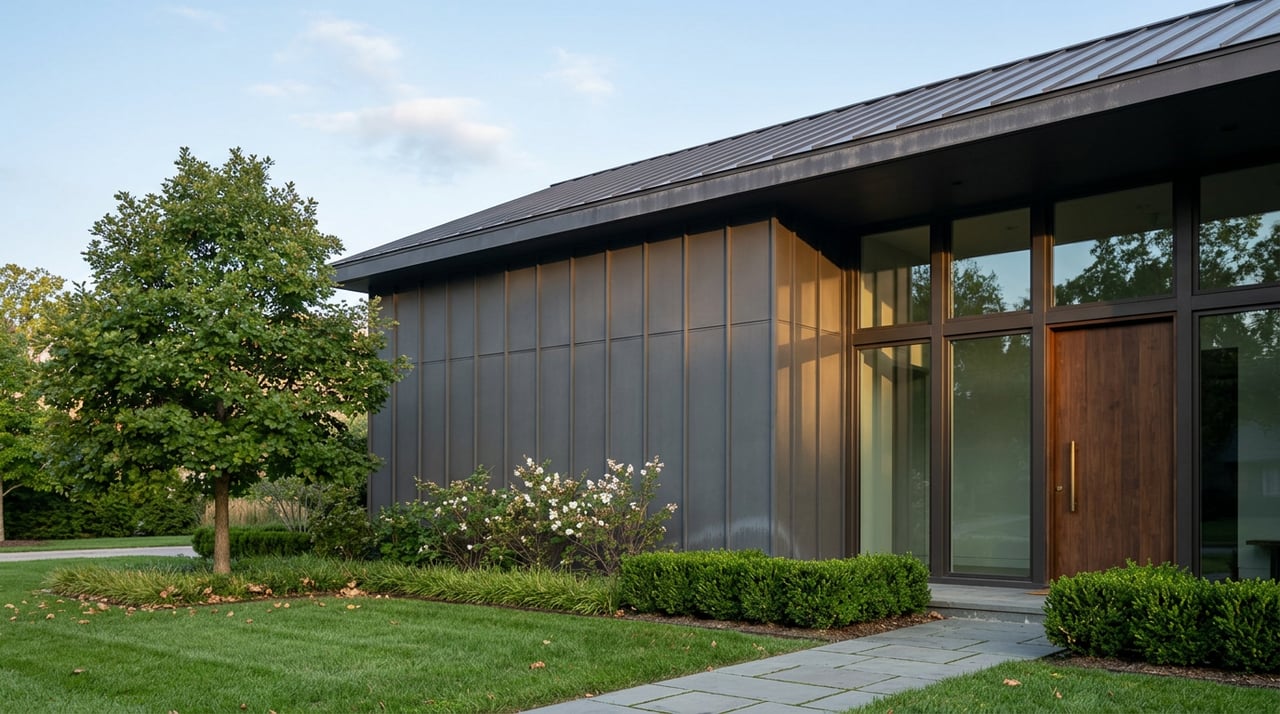
The Zoning Vote That Could Change How Hilltop Gets Rebuilt
September 17, 2026
September 17, 2026
What happens to Hilltop's real estate math when the city caps how big the replacement house is allowed to be?
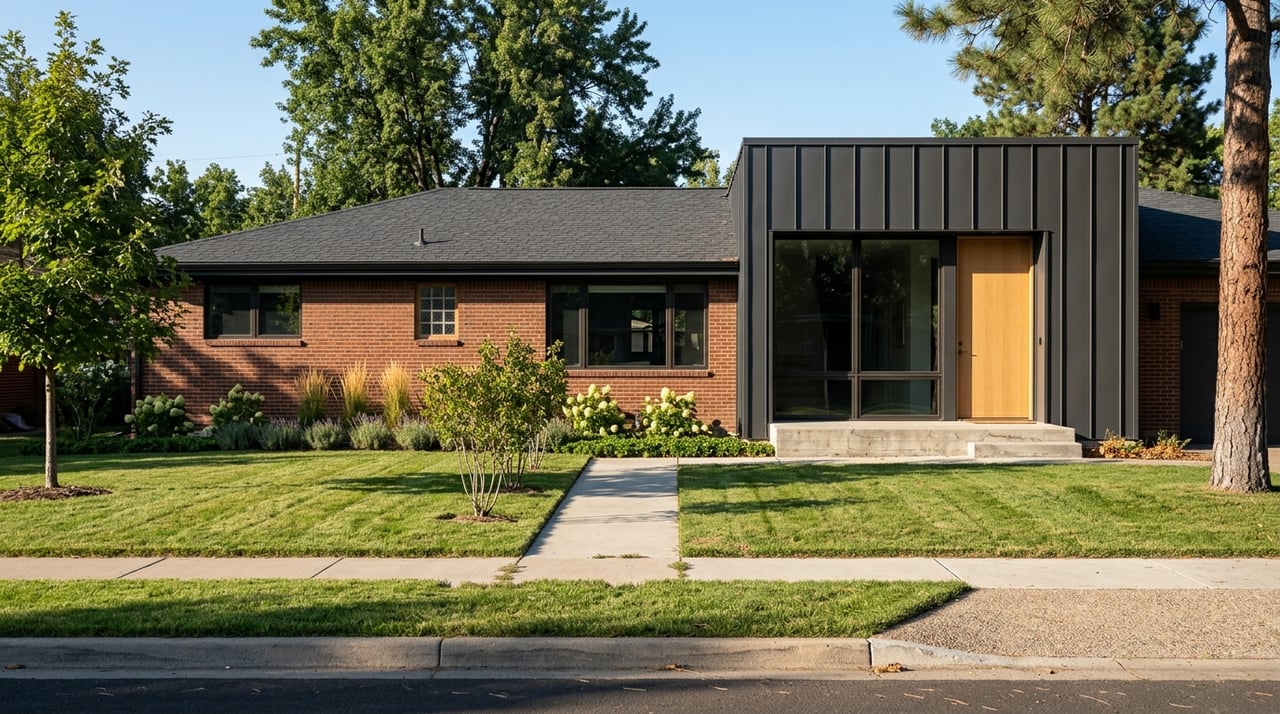
For three decades, buyers here have followed roughly the same script: find a modest mid-century house on a generous lot, tear it down, build to the edges of what zoning allows, and let the size of the new house carry most of the value. That script is why Hilltop's streets mix original 1940s and 1950s construction with newer, larger custom homes block by block. A zoning proposal now moving through Denver City Council could rewrite the third step, and the timeline is not vague. Council is scheduled to vote on Phase 1 of the proposal by the end of 2026.
Homes in Hilltop sold for a median of $1.9 million over the three months ending in May 2026, up 16 percent from the same stretch the year before, according to public MLS-sourced data. That number moves the way it does because Hilltop isn't really one market. It's two, stitched together on the same streets: original houses that sell largely on lot value, and new construction that sells on finished square footage. The gap between those two prices, more than the median itself, is what the coming zoning fight puts at risk.
Denver's Community Planning and Development department has been developing a zoning code text amendment known as Unlocking Housing Choices, or UHC, aimed at the city's SU, TU, and RH zone districts, the same low-intensity residential categories that cover most of Hilltop. City planners have framed the goal as curbing a pattern they've watched build for years: a smaller, more affordable house torn down and replaced with one much larger and more expensive structure. The Hilltop Neighborhood Association has been tracking the timeline closely, and City Council is scheduled to formally vote on Phase 1 by the end of this year.
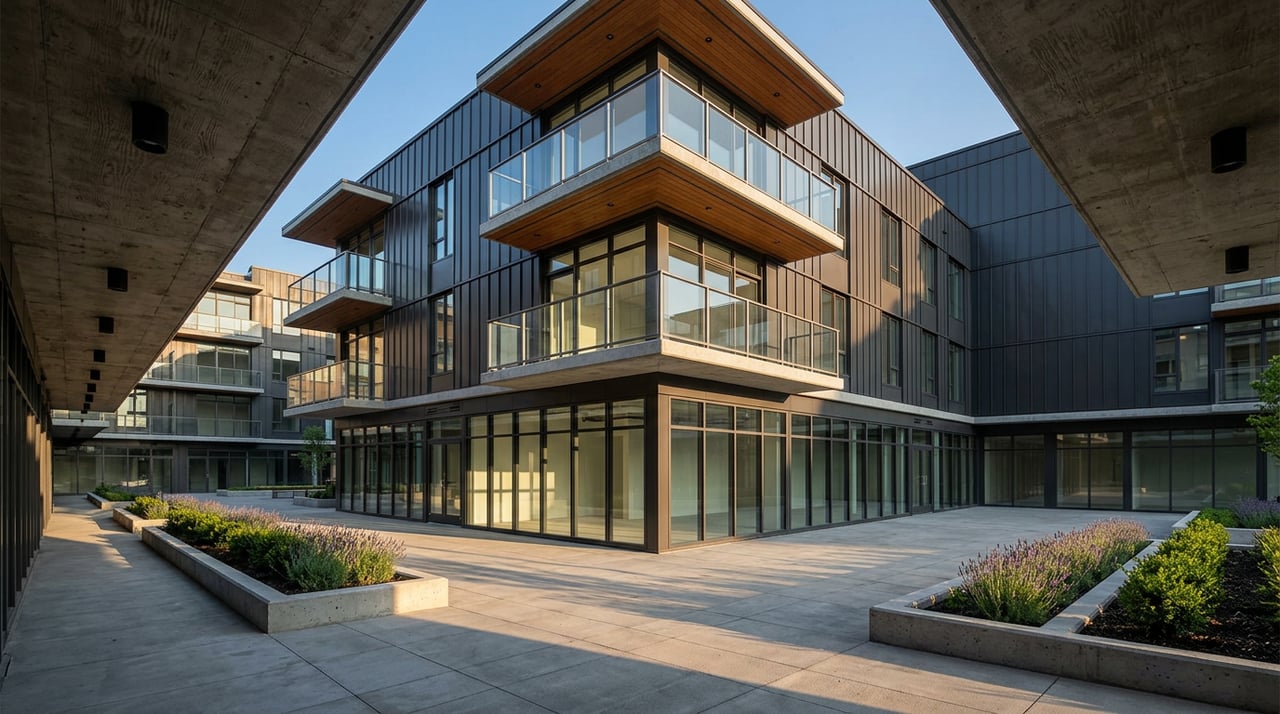
One mechanism under negotiation, called Graduated Scale and Form Rules, would cap the maximum mass and footprint allowed for a single detached house, while opening the same zone districts to duplexes, triplexes, fourplexes, and cottage courts, small multi-unit buildings designed to read as a single house from the street. That's close to the opposite of what has made land in Hilltop valuable for thirty years: the ability to put one large house, not several smaller units, on a big lot.
Reporting on the proposal found that just 10 percent of Denver's housing stock currently holds two to nine units on a single lot, while 42 percent is detached single-unit homes, an imbalance city planners point to when arguing for more "missing middle" housing in neighborhoods that have historically allowed only one house per lot.
Neighborhood boards evaluating the proposal, including Hilltop's, have flagged three areas they're watching most closely:
The mass and footprint limits aren't the only lever in motion. Denver City Council already voted, in 2025, to eliminate the requirement that new residential construction include a minimum number of off-street parking spaces, citywide. That change removed a cost and design constraint that has historically made it harder to justify anything other than one house per lot. Paired with looser mass limits under UHC, the two changes together would make three or four smaller units on a single Hilltop parcel considerably easier to pencil out financially than it is today.
A wholly separate ballot initiative, unconnected to the Council's UHC process, adds another layer worth understanding. Two local land use reform advocates drafted a measure that would automatically rezone parcels based on their proximity to transit stations and parks, without requiring a case-by-case rezoning application. To reach Denver's November 2026 ballot, organizers needed to collect roughly 10,000 valid signatures by June 2026 unless City Council referred the measure directly to voters. Early examples named in reporting, properties near City Park rezoned up to five stories, certain rail stations up to eight, sit outside Hilltop itself. But the mechanism matters because it shows two different levers, one running through Council, one running through a public vote, moving toward more density on separate clocks.
None of this is guaranteed to survive contact with the people who actually live here. In April 2026, Lakewood voters struck down a set of pro-density zoning changes that its own City Council had approved the previous fall, in a special election forced by a citizen petition. It was the second time in five months that a Denver-area suburb had voted down efforts to permit multiplex-style housing in single-family neighborhoods. Littleton voters had done the same the previous November.
"We do not want high density across the entire city."
One organizer of the Lakewood repeal effort, Karen Gordey, said the results should send a message to elected officials about listening to residents before advancing similar plans.
Denver's UHC proposal is a Council vote, not a ballot measure, and the separate rezoning initiative has its own signature threshold to clear before it ever reaches voters. Neither is bound to follow Lakewood's exact path. But the pattern is worth knowing before putting too much weight on any single headline about Hilltop's zoning future: the political appetite for this kind of change has already been tested twice nearby this year, and it lost both times.
If you're weighing Hilltop against another established Denver neighborhood on the strength of its long-term predictability, the honest answer right now is that nobody, including the city, has finished deciding what predictable looks like here. A lot sized and priced today to support one large custom house could be worth less under a mass cap that favors three smaller units instead, or it could be worth more if that same lot suddenly supports four units rather than one. Both outcomes sit on the table depending on how Phase 1 of UHC is finally written, and whether it survives the kind of pushback that just derailed similar plans in Lakewood and Littleton.
What doesn't change regardless of how the vote goes: Hilltop's larger-than-average lots, its position around Cranmer Park, and the established school attendance boundaries that have anchored demand here for decades. Those fundamentals are why homes sold at a median of $1.9 million over the three months ending in May 2026, up 16 percent year over year. Zoning proposals get argued over months and years. A specific comparable sale gets argued over days. Anyone deciding whether to buy or sell a scrape candidate in Hilltop this year should be pricing what the zoning code allows today, not guessing at what a future council might approve.
When would any of this actually take effect? Phase 1 of the UHC text amendment is scheduled for a City Council vote by the end of 2026. If approved, implementation details and any transition period would be set separately. The rezoning ballot initiative, if it qualified for the ballot, would go before Denver voters in November 2026.
Does this affect a house that's already built? No. These proposals govern what can be newly built or redeveloped going forward. An existing single-family home in Hilltop keeps its current legal status regardless of the outcome.
Is my lot inside a zone district these proposals touch? Most of Hilltop sits within the SU, TU, and RH categories the UHC amendment targets, but confirming your parcel's exact zoning and any applicable overlay is worth doing directly through Denver's zoning code text amendment resources before making a decision based on either proposal.
What about the separate ballot initiative, did it qualify? As of this writing, whether the rezoning initiative collected enough signatures to appear on the November 2026 ballot had not been confirmed in the reporting available. It remains worth watching separately from the Council's UHC vote.
Zoning votes move slowly, but comparables move fast, and the gap between what a lot is worth today and what it might be worth under a different code is exactly the kind of question that deserves a second opinion before you write an offer or set a list price. Debbie Niedergerke has been tracking how these proposals intersect with Hilltop's scrape-and-build economics street by street. Work with Debbie, let's connect about your next move.
Stay up to date on the latest real estate trends.
Get assistance in determining current property value, crafting a competitive offer, writing and negotiating a contract, and much more. Contact Debbie today to discuss all your real estate needs.